
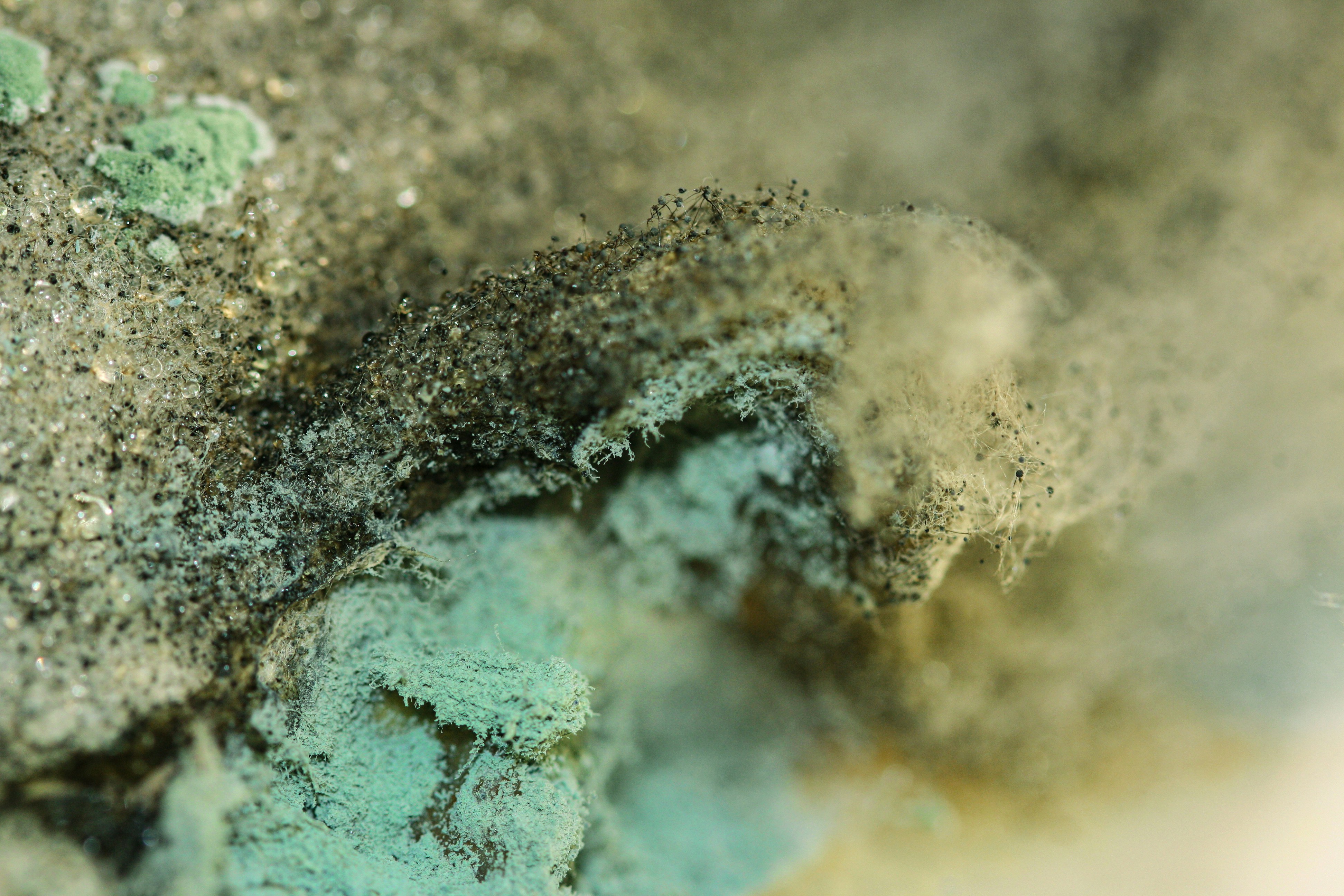
Introduction to Indoor Mold Toxicity
Indoor mold toxicity refers to the adverse health effects that can result from exposure to mold growing within indoor environments. Mold, a type of fungus, thrives in damp, warm conditions and can develop on various materials, including wood, drywall, and carpets. Conditions conducive to mold growth often arise from moisture due to leaks, high humidity, or inadequate ventilation. This problem has become increasingly prevalent in homes, with fluctuating climates and the modern construction practices that often prioritize energy efficiency leading to environments where mold finds a favorable habitat.
The health implications associated with mold exposure are significant. Individuals might experience a range of symptoms such as respiratory issues, allergic reactions, skin irritations, and even neurological effects. Vulnerable populations, including young children, the elderly, and those with pre-existing health conditions, may face more severe consequences. Furthermore, some types of mold produce mycotoxins, which can pose serious health risks when inhaled or ingested. The public awareness surrounding mold-related health issues is growing, yet many homeowners remain unaware of the extent of the problem.
According to recent studies, the incidence of indoor mold growth is on the rise, prompting a need for increased understanding and proactive measures in mold prevention and remediation. Homes that maintain high levels of moisture or have experienced water damage are particularly at risk. Therefore, it becomes essential for homeowners and tenants to recognize the signs of mold growth and implement measures that could prevent an infestation before it becomes a health hazard.
This discussion aims to shed light on the complexities of indoor mold toxicity, offering insight into its development, health implications, and strategies for effective prevention and remediation. Understanding the foundational elements of mold growth in homes is crucial for safeguarding health and ensuring a safe living environment.
Common Causes of Mold Growth in Homes
Mold growth in residential settings is a prevalent issue that can pose significant health risks and damage to property. Several factors contribute to the proliferation of mold indoors, with moisture being the primary catalyst. When water accumulates in an area, whether due to leaks, flooding, or condensation, it creates a conducive environment for mold spores to thrive. Common moisture sources include plumbing leaks, roof leaks, and inadequate ventilation around appliances such as washers, dryers, and refrigerators.
Another significant contributor to indoor mold growth is high humidity. A relative humidity level exceeding 60% can foster mold development, particularly in basements, bathrooms, and kitchens. These areas often experience moisture from daily activities such as cooking, showering, and washing. Proper ventilation is crucial in these spaces to mitigate humidity accumulation. Exhaust fans and open windows can help in reducing moisture levels, thus limiting the potential for mold growth.
In addition to moisture factors, the presence of organic materials can exacerbate mold issues. Mold feeds on substances such as wood, paper, and even dust. Homes with poor cleaning practices may harbor dust and debris that serve as ideal nutritional sources for mold spores. Similarly, damp materials like carpets, curtains, and upholstered furniture become breeding grounds when they are not taken care of properly.
Environmental conditions, such as temperature, also play a vital role in mold proliferation. Molds typically thrive in areas with temperatures ranging between 60°F and 80°F. Understanding these interconnected factors is essential for homeowners aiming to prevent indoor mold issues. By identifying key triggers such as moisture sources, humidity levels, and organic materials, proactive measures can be implemented to mitigate the risk of mold growth and maintain a healthy living environment.
Health Risks Associated with Mold Exposure
Indoor mold toxicity presents a significant health risk that can affect individuals across various demographics. Mold spores can trigger a range of allergic reactions in sensitive individuals, leading to symptoms such as sneezing, runny or congested nose, and itchy or watery eyes. These allergic reactions can develop even in individuals who previously did not display any sensitivities, emphasizing the unpredictable nature of mold exposure. In addition to allergies, mold can exacerbate existing respiratory conditions such as asthma. Prolonged exposure to mold can also lead to serious respiratory problems, including chronic cough, wheezing, and lung infections. The molds most commonly associated with indoor environments, such as Stachybotrys chartarum, are known to produce mycotoxins that can prove harmful to human health.
The implications of prolonged exposure to indoor mold extend beyond allergic reactions and respiratory issues. Individuals who have compromised immune systems, including the elderly, young children, or those with preexisting health conditions, may experience more severe reactions. Research has indicated a possible link between mold exposure and the development of more serious health conditions, such as toxic mold syndrome, which can result in chronic fatigue, cognitive deficits, and other systemic issues. Furthermore, neurotoxic effects have been documented in some cases, suggesting that certain toxic molds could affect neurological function and contribute to long-term health complications.
It is critical to assess and manage indoor mold growth promptly. Identifying sources of moisture, such as leaks or high humidity, and implementing effective remediation strategies can significantly mitigate the risk of indoor mold toxicity. Homeowners and tenants alike should remain vigilant about the signs of mold growth and take swift action to eliminate it, protecting the health of all inhabitants. Ultimately, understanding the diverse health risks associated with mold exposure reinforces the pressing need for preventive measures and timely interventions.
Signs and Symptoms of Mold Infestation in Your Home
Identifying the presence of mold within the home is crucial to ensuring the safety and well-being of its occupants. Mold can proliferate in various environments, particularly those characterized by dampness or humidity. One of the most evident visual indicators of a mold infestation is discoloration on walls, ceilings, or any other surfaces. This discoloration often appears as black, green, or even white patches, indicative of mold growth. Homeowners should be particularly vigilant in areas where moisture is prevalent, such as bathrooms, kitchens, and basements.
In addition to visual cues, another hallmark sign of mold infestation is the presence of a musty or earthy odor. This smell is often described as similar to rotting wood and typically intensifies in areas where mold is actively growing. If residents notice an unexplained or persistent musty smell, it is imperative to investigate further, as it often signals hidden mold problems that may not be immediately visible.
Physical symptoms associated with mold exposure can also provide critical insight into the presence of mold in the home. Common reactions include respiratory issues such as coughing, sneezing, or nasal congestion. Individuals with pre-existing health conditions, particularly asthma or allergies, may experience exacerbated symptoms when exposed to mold spores. Moreover, skin irritations, headaches, and fatigue can also arise from prolonged exposure to mold. Occupants experiencing these symptoms without an apparent cause should consider the possibility of indoor mold toxicity as a contributing factor.
Prompt action is essential when these signs and symptoms manifest. Early detection and intervention can mitigate the adverse effects of mold growth, protecting both physical health and property values. Homeowners should regularly inspect their properties for signs of mold and maintain vigilance over areas susceptible to moisture.
Preventing Mold Growth in Your Home
To effectively minimize the risk of indoor mold growth, homeowners must implement several strategic preventive measures. One of the most crucial aspects of mold prevention is controlling indoor humidity levels. Mold thrives in damp environments, making it essential to maintain humidity levels at or below 50%. Homeowners can invest in dehumidifiers for particularly humid areas, such as basements or bathrooms, and make a habit of regularly checking the humidity levels with a hygrometer. Additionally, using exhaust fans while cooking or showering significantly lowers moisture levels, contributing to a drier indoor atmosphere.
Proper ventilation is another vital factor in preventing mold spores from taking root in your home. Ensuring that air can circulate effectively throughout your living spaces is imperative. Homeowners should regularly check and clean air ducts, vents, and fans to maintain good airflow. Open windows when weather permits, and consider installing vents in areas prone to moisture accumulation, such as kitchens and bathrooms. This not only helps in keeping mold at bay but also improves overall air quality within your home.
Addressing water leaks promptly is critical to mold prevention. Even minor leaks can lead to significant mold issues if left unattended. Regularly inspect plumbing fixtures, roofs, and basements for leaks or signs of water damage, and take immediate action to repair any sources of excess moisture. Sealing cracks and gaps around windows and doors can also prevent outside moisture from entering your home, further reducing condensation build-up.
By proactively controlling humidity, ensuring sufficient ventilation, and swiftly addressing water leaks, homeowners can significantly reduce the potential for indoor mold growth. These measures not only protect the structure of the home but also contribute to a healthier living environment for all its inhabitants.
Mold Remediation: When to Seek Professional Help
Mold remediation is a crucial process for addressing mold infestations in residential properties. It involves comprehensive steps to identify, remove, and prevent the recurrence of mold. Understanding when to call in professionals is key to ensuring a safe outcome and protecting your home from potential health risks associated with mold toxicity.
The first step in mold remediation typically involves a thorough inspection of the affected areas. Homeowners may attempt DIY methods initially; however, if the mold covers more than about 10 square feet or is located in challenging areas such as HVAC systems, walls, or ceilings, it is advisable to seek professional assistance. Mold can be detrimental to health, causing respiratory problems and other health issues, highlighting the importance of effective and safe removal.
Professional mold remediation services utilize specialized equipment and techniques to assess the extent of the mold growth. This assessment is followed by containment measures to prevent the spread of spores during the removal process. Professionals often employ air filtration devices and protective gear to ensure safety, an essential factor when dealing with toxic mold varieties such as black mold. Attempting to remove such types of mold without proper training and equipment can actually exacerbate the problem, releasing more spores into the environment.
Moreover, once the mold is physically removed, restoration becomes necessary. This can involve repairs such as replacing drywall, cleaning ducts, or removing contaminated materials. Professional services often provide a maintenance plan, addressing the underlying causes of moisture that lead to mold growth, thereby fortifying homes against future occurrences.
In conclusion, while homeowners may feel inclined to tackle mold issues independently, professional help is vital in significant infestations or complex scenarios. Just as important as removal is the restoration and prevention of future mold growths, which experts are best equipped to manage effectively.
The Role of Indoor Air Quality in Mold Toxicity
Indoor air quality plays a significant role in the proliferation of mold, which can have detrimental effects on both health and property. Poor air quality often arises from inadequate ventilation, excessive humidity, and the accumulation of dust and other allergens, which can contribute to an environment conducive to mold growth. Mold spores are present in nearly every indoor and outdoor environment; however, when air quality is compromised, these spores can increase in concentration, raising the risk of mold toxicity.
Humidity levels above 60% create an ideal setting for mold, as moisture is essential for its growth and reproduction. Homes with poor ventilation often trap humidity and pollutants, creating a stagnant atmosphere that can exacerbate existing mold problems. Furthermore, when air quality declines, the presence of volatile organic compounds (VOCs) and other pollutants may occur, increasing irritation and respiratory issues among occupants. The interaction between mold and indoor air quality further complicates health dynamics, making those with allergies, asthma, or compromised immune systems more susceptible to mold-related ailments.
To combat indoor mold toxicity and enhance air quality, regular maintenance of heating, ventilation, and air conditioning (HVAC) systems is essential. Utilizing air purifiers can aid in reducing airborne mold spores and other bacteria. These devices work effectively to filter out pollutants, thus promoting a healthier environment. Additionally, ensuring that homes remain well-ventilated, particularly in areas prone to moisture, such as bathrooms and kitchens, can significantly reduce the likelihood of mold growth. Adequate air circulation helps maintain lower humidity levels, contributing to overall improved indoor air quality.
Recognizing the critical link between indoor air quality and mold toxicity underscores the importance of proactive measures. By enhancing air quality through proper ventilation and the use of air purification technologies, homeowners can take significant steps toward preventing mold-related health issues and creating a safer living environment.
Legislation and Guidelines on Mold Exposure
Indoor mold exposure has become a significant public health concern, prompting various health organizations and governmental bodies to establish regulations and guidelines aimed at safeguarding the population from its detrimental effects. The presence of mold in homes can lead to various health issues, particularly respiratory problems and allergic reactions, which underscores the importance of effective legislation. In the United States, the Environmental Protection Agency (EPA) provides guidelines for mold remediation and prevention, although it does not enforce specific mold regulations. These guidelines recommend immediate action in cases of water intrusion events, emphasizing the need for quick drying and remediation to prevent mold growth.
Additionally, the Centers for Disease Control and Prevention (CDC) offers resources to educate the public on recognizing and addressing mold-related health risks. Their recommendations often include practical steps, such as maintaining indoor humidity levels below 50% and ensuring proper ventilation in damp areas. These guidelines reflect a consensus on the necessity of preventing mold growth to protect health and improve indoor air quality.
At the state level, various initiatives have emerged focusing on mold exposure prevention. Some states have implemented specific mold laws that require landlords to inform tenants about the presence of mold and its potential health impacts. Furthermore, certain jurisdictions have set forth mold inspection and remediation standards for residential properties. The ongoing dialogue among stakeholders, including health professionals and policymakers, aims to enhance these frameworks, ensuring they adapt to emerging research on mold toxicity and its effects on health. Stricter regulations and improved guidelines play an essential role in reducing the public’s risk of mold exposure in homes.
Conclusion and Call to Action
The issue of indoor mold toxicity is increasingly recognized as a significant health concern in residential environments. Throughout this blog post, we have explored the various types of mold, the potential health implications they pose, and the crucial steps homeowners can take to prevent mold growth. Awareness of the conditions that facilitate mold proliferation, such as excessive moisture and inadequate ventilation, is paramount. Regular inspections of areas prone to dampness, such as bathrooms, kitchens, and basements, can aid in early detection and intervention.
In addition to identifying mold-friendly conditions, preventive measures should be prioritized. Implementing strategies such as maintaining relative humidity levels below 50%, ensuring proper drainage systems, and utilizing mold-resistant materials during construction or renovation can significantly lessen the likelihood of mold infestations. Furthermore, homeowners should be aware of the importance of prompt clean-ups following water damage, as lingering moisture can create a fertile environment for mold spores.
For those who suspect mold proliferation in their living spaces, proactive steps are essential. It is advisable to conduct thorough assessments and consider consulting with mold remediation professionals as necessary. These experts can facilitate a comprehensive evaluation of your home, offer tailored solutions, and effectively mitigate mold-related risks.
Overall, safeguarding your home from indoor mold toxicity requires vigilance, education, and timely actions. We encourage you to take a closer look at your living environment and assess the potential risk of mold. Taking these steps not only protects your health but also enhances the overall quality of your home. Together, we can combat the rising prevalence of mold toxicity and foster healthier living spaces for ourselves and our families.