
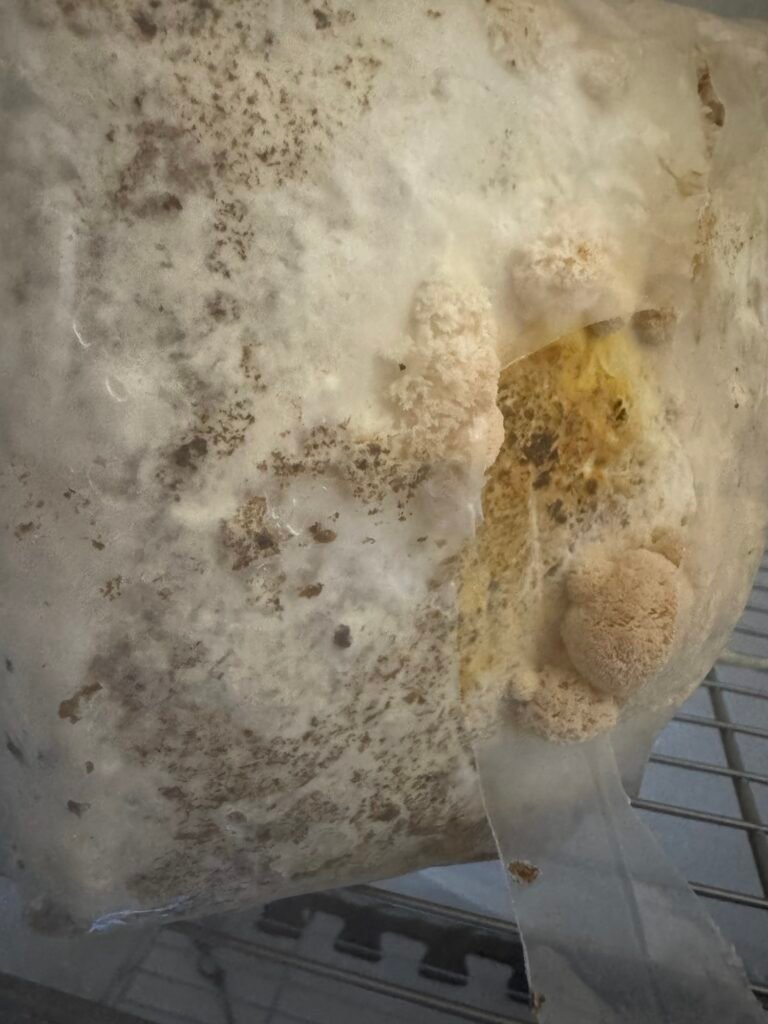
Understanding the Hidden Dangers: Factors Impacting Indoor Air Quality
Indoor air quality (IAQ) is a critical aspect of any environment as it significantly influences health and well-being. Many individuals underestimate the potential dangers lurking within their indoor spaces, unaware of various hidden factors that can deteriorate air quality. One of the primary contributors to poor IAQ is mold growth, often triggered by excess moisture levels. Mold spores can proliferate in damp areas, such as bathrooms and basements, releasing allergens and toxins into the air, which can cause respiratory issues and allergic reactions.
Moisture problems are not solely caused by humidity; they can also stem from plumbing leaks or inadequate building insulation. Addressing these issues promptly is essential to prevent mold development and maintain a safe indoor environment. Inadequate ventilation further exacerbates the problem by trapping pollutants and airborne contaminants within confined spaces. Poorly ventilated areas, common in older buildings, lead to the accumulation of stale air, which can contain harmful substances.
Volatile organic compounds (VOCs) represent another significant threat to IAQ. These chemicals are released from various indoor sources, including paints, cleaning products, furniture, and building materials. Long-term exposure to VOCs can lead to a range of health concerns, including headaches and respiratory discomfort. Additionally, common household allergens, such as dust mites, pet dander, and pollen, contribute to poor indoor air quality, affecting individuals especially prone to allergies and asthma.
Further environmental hazards may include indoor pollutants like carbon monoxide, which can result from gas appliances or inadequate ventilation in spaces where combustion occurs. Recognizing these factors is paramount across various settings, such as homes, schools, and workplaces. By understanding the sources and implications of these indoor air quality issues, individuals can take proactive measures to identify and mitigate potential risks in their surroundings.
Practical Solutions: Enhancing Indoor Air Quality for Better Health
Improving indoor air quality is essential for promoting better health and well-being, particularly as we spend a significant portion of our time indoors. One of the first steps in enhancing air quality is to assess humidity levels. Maintaining indoor humidity between 30-50% can help prevent the growth of mold and dust mites. A hygrometer can be utilized to measure humidity levels accurately, allowing for further action if necessary.
To deal with high humidity, consider using a dehumidifier. These devices are effective in reducing moisture in the air, thus minimizing potential health risks associated with excess humidity. It is essential to regularly clean the dehumidifier to ensure its optimal performance. Conversely, if humidity levels are too low, a humidifier can be employed to add moisture to the air, particularly during dry seasons.
Another critical aspect of enhancing indoor air quality is the identification of airborne toxins. Testing kits for radon, carbon monoxide, and volatile organic compounds (VOCs) are readily available online or at local hardware stores. These products can help detect harmful substances that may compromise your indoor environment. Once identified, appropriate measures can be taken to eliminate or mitigate these threats.
Additionally, using air purifiers equipped with HEPA filters can significantly reduce allergens, dust particles, and other pollutants. Placing an air purifier in frequently used rooms can enhance breathing comfort and overall air quality. It is important to ensure regular maintenance and replacement of filters to keep units functioning effectively.
Maintaining good ventilation is crucial as well. Open windows when weather permits, or install exhaust fans in kitchens and bathrooms to improve circulation. Plants can also contribute positively by filtering air pollutants naturally. Simple adjustments can lead to significant improvements, fostering a safer indoor environment for all occupants.