
IndoorAirInsights.com – Practical guidance for healthier indoor environments
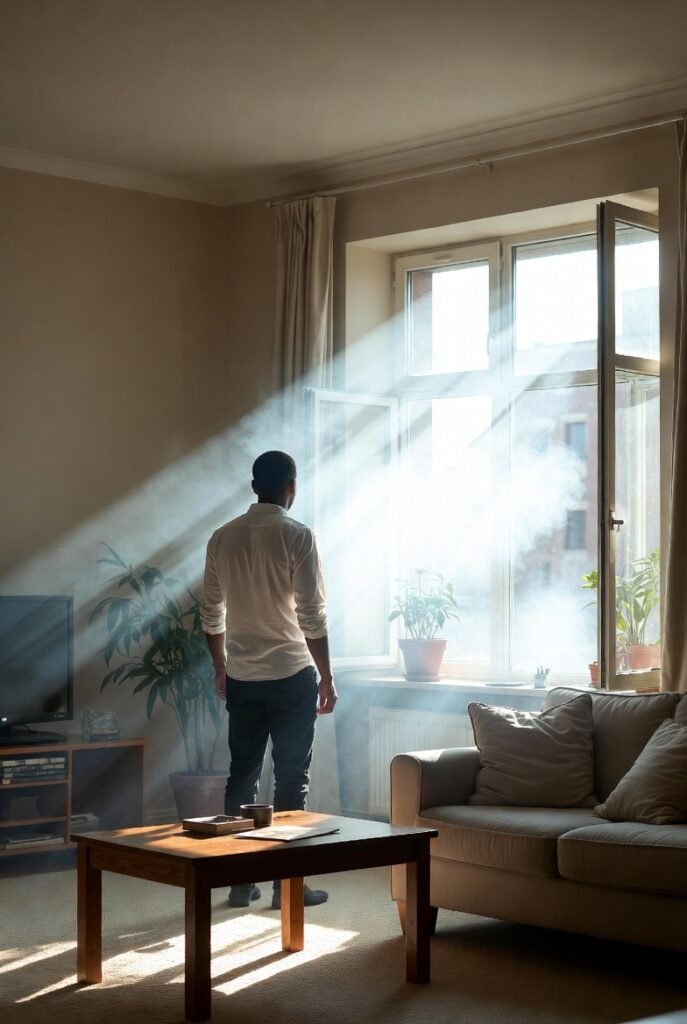
If you’ve ever walked into your home and thought, “Something feels off in here,” you’re already sensing changes in your indoor air quality. We spend most of our lives inside our homes, schools, and workplaces — yet we rarely stop to ask what’s actually floating in the air we’re breathing.
For many people, the story begins the same way: allergies that seem random, kids catching every bug, headaches that disappear when leaving the house, or that faint musty smell that only appears on rainy days. These are early clues that your home’s air quality might need attention.
The good news? You don’t need a degree in environmental science or an expensive renovation. You just need to understand what affects indoor air — and which simple steps make the biggest impact.
Why Indoor Air Quality Matters More Than Ever
Modern homes are sealed tighter than ever for energy efficiency. Great for your heating bill — not always great for your lungs.
When a home is tightly sealed, whatever gets into the air tends to stay in the air:
- Moisture and hidden mold growth
- Cleaning chemicals
- Dust that carries more than dust
- VOCs from furniture and building materials
- Poor ventilation in newer airtight homes
- HVAC systems recirculating contaminants
Your indoor environment behaves like a small ecosystem, and your body feels the effects whether you realize it or not.
The 5 Biggest Indoor Air Offenders in Most Homes
Most homes have at least one of these — many have several.
1. Mold & Moisture Problems
Mold is the issue that keeps homeowners awake at night — and for good reason. It’s linked to sinus issues, headaches, fatigue, brain fog, skin irritation, and more. The tricky part? You don’t always see it.
Common hiding places include:
- Behind drywall after a slow leak
- Under bathroom or laundry flooring
- Inside HVAC systems
- Attics with poor ventilation
- Crawl spaces that feed air into the home
You don’t need a flood to have mold. You just need moisture + time.
2. Chemical Pollutants & VOCs
Volatile Organic Compounds (VOCs) come from everyday items such as:
- Paint, caulks, and adhesives
- New flooring and furniture
- Cleaning products
- Detergents, softeners, dryer sheets
- Scented candles, plug-ins, and sprays
If your home always has a “strong scent,” there’s a good chance it’s chemical, not freshness.
3. Airborne Particulates
Dust is never just dust. Under a microscope, household dust often contains:
- Pollen
- Mold fragments
- Pet dander
- Bacteria
- Microplastics
- Flame-retardant residues
These particles recirculate every time you sit on a couch or walk across a rug.
4. HVAC Contamination
Your heating and cooling system is essentially the “lungs” of the house. If the system is dirty, wet, or poorly maintained, it can spread contaminants through every room.
Signs include:
- Musty smells when the system turns on
- Dust buildup around vents
- Condensation on or around air handlers
- Filters clogging unusually fast
5. Water Quality & Surface Contamination
Indoor environmental quality isn’t just air — it’s also surfaces and water.
Hard water, biofilm buildup, and poorly maintained humidifiers can release particles into the air and contribute to skin irritation.
Common sources include:
- Humidifiers
- Showerheads
- Decorative fountains
- Appliances with standing water
How to Improve Indoor Air Quality (Without Losing Your Mind)
These steps have the biggest, fastest payoff — and they’re easy to implement.
1. Improve Ventilation
Fresh outdoor air dilutes contaminants.
Try:
- Opening windows 10–15 minutes a day
- Running bathroom/kitchen exhaust fans
- Creating a cross-breeze when possible
- Airing out bedrooms daily
Even small ventilation changes can dramatically improve indoor air.
2. Use a High-Quality Air Purifier
Ideal features:
- True HEPA (H13 or H14)
- Activated carbon filter (for VOCs)
- CADR rating appropriate for room size
Bedrooms and home offices benefit the most.
3. Control Moisture
This is the single biggest air-quality upgrade you can make.
Keep humidity between 35–50%.
Use:
- Dehumidifiers in damp spaces
- Hygrometers in main living areas
- Fast leak repairs (even tiny ones!)
- Good airflow in bathrooms and kitchens
If you smell “musty,” that’s your early warning.
4. Reduce Chemical Sources
Small swaps = big benefits.
Choose:
- Low-VOC paint
- Fragrance-free detergents
- Safer cleaning products
- No plug-ins or aerosol air fresheners
- Tightly sealed chemical storage
Your lungs will notice the change.
5. Clean for the Air, Not Just for Looks
A pro-level indoor-air cleaning routine includes:
- HEPA vacuuming
- Damp dusting (dry dusting spreads particles)
- Weekly bedding washing
- HVAC filter changes every 4–8 weeks
- Cleaning fans, vents, and returns
Think of it as housekeeping for your respiratory system.
When Your Home Still Feels “Off”… Test the Air
Sometimes symptoms persist even after upgrades. Testing helps identify:
- Mold spores
- VOC levels
- Airborne particulate counts
- Surface contamination
Testing removes the guesswork and gives you a clear path forward.
IndoorAirInsights.com exists to help people understand their environment without fear — just calm, clear steps.
Why IndoorAirInsights.com Exists
If you’ve searched online about mold or air quality, you already know the two extremes:
- Terrifying forums
- Oversimplified “just open a window” advice
Real life is in the middle.
This site exists to:
- Translate complex indoor-air science into real-life decisions
- Help parents and homeowners understand their homes
- Show what’s normal vs. what deserves attention
- Reduce fear and increase confidence
If you’ve ever thought, “I don’t feel my best in this house, and I don’t know why,” this site is for you.
What’s Coming Next on IndoorAirInsights.com
Upcoming articles include:
- The Beginner’s Guide to Mold
- How to Tell If Symptoms Are Environmental
- Air Purifier Myths (That Cost Homeowners Money)
- Products That Actually Improve Indoor Air
- What Parents Should Know About School Air Quality
If indoor air affects your life — and it definitely does — you’ll find a steady stream of help here.
Indoor Air Quality FAQ (RankMath-Friendly Block)
Q: What is indoor air quality?
Indoor air quality describes the condition of the air inside your home, including chemicals, humidity, particulates, mold, and overall comfort.
Q: How do I know if my indoor air quality is poor?
Common signs include headaches, sinus issues, fatigue, musty smells, excessive dust, or symptoms improving when you leave home.
Q: What’s the easiest way to improve indoor air quality?
Increase ventilation, run a HEPA purifier, control moisture, and reduce fragrance-heavy products.
Q: When should I consider testing my home?
Testing is helpful when symptoms persist, musty odors return, or the home has a history of leaks or water damage.