
By Ava Hartwell, IndoorAirInsights.com
I still remember the day I walked into my “dream home.” Fresh paint. New appliances. That intoxicating smell of newness that builders love to sell you on. I didn’t know then that the very walls I was admiring were already harboring the thing that would nearly take me apart — physically, emotionally, and financially.
Honestly? I wish someone had grabbed me by the shoulders and said,
“New homes make people sick more often than you think.”
But nobody did. Not the builder. Not the inspector. Not even the doctors I saw when my health started falling apart.
So today, if you’re feeling sick in a newer home — or you’re about to buy one — I want to share the story I wish I’d heard before everything unraveled.
The Day My “Healthy New Home” Stopped Feeling Healthy
My symptoms started quietly.
A nagging headache.
A weird burning sensation behind my eyes.
Fatigue that made every morning feel like trying to climb out of cement.
I blamed everything except the house.
“Maybe I’m just stressed.”
“Maybe it’s a vitamin deficiency.”
“Maybe I’m overreacting.”
Looking back, I wasn’t overreacting at all — I was being poisoned by my own home.
And the scariest part? Nothing looked wrong.
No visible mold. No musty smell. No black spots creeping up drywall like you see in dramatic photos online.
My house looked perfect.
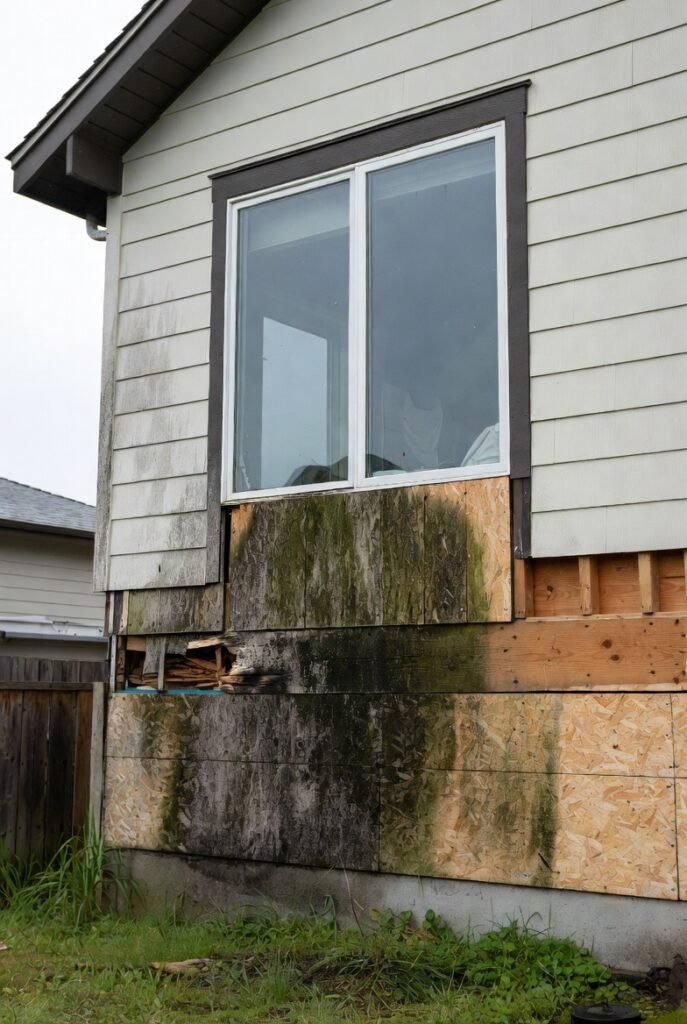
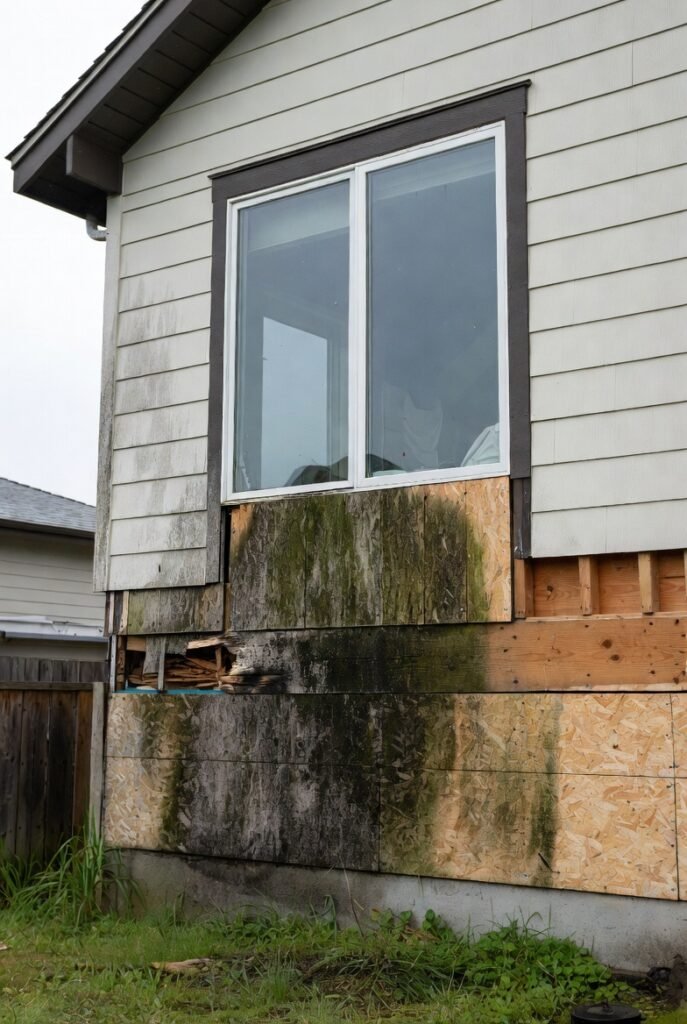
But behind the walls, a tiny construction shortcut — one misaligned flashing detail on a window — had allowed rainwater to seep in for months. Quietly. Invisibly. And the mold that grew from that little drip disrupted my entire immune system.
The Big Myth: “New Homes Don’t Have Mold Problems”
I can’t tell you how many times I’ve heard this.
And every time, I wince — because I used to believe it too.
Here’s the truth I learned the brutal way:
New homes are some of the riskiest when it comes to hidden mold and air-quality issues.
Why? Because modern building standards prioritize speed over breathability and moisture management.
Here are a few things builders don’t tell you:
1. Homes today are built too tight.
A tightly sealed home is energy efficient, yes.
But if water intrusion happens (and it often does), that moisture has nowhere to go. Mold thrives in trapped humidity.
2. Construction doesn’t stop for rain.
Lumber gets soaked, left in mud, covered with plastic tarps that trap moisture.
This was one of my biggest regrets: I didn’t visit the job site enough. My framing sat in Oregon rain for weeks.
3. Inspectors don’t check for moisture behind walls.
They check structural code, not microbiological safety.
4. Cheap building materials = faster mold growth.
Paper-faced drywall is basically a buffet for mold.
5. HVAC systems are often contaminated before the house is even finished.
I have personally watched workers cut drywall 10 feet from an open air return.
When people email me now saying,
“My new home is making me sick but the builder says everything is fine,”
I feel that in my bones.
I was dismissed too.
The Symptoms You Should Never Ignore in a New Home
These are the symptoms I experienced, but I want to be clear — mold and poor indoor air quality affect everyone differently.
Still, if you live in a new build and you’re feeling any of the following, don’t brush it off:
- Head pressure or headaches
- Fatigue that sleep doesn’t fix
- Burning eyes or throat
- Unexplained anxiety or heart palpitations
- Random food sensitivities you never had before
- Brain fog that makes you worry something is seriously wrong
- Sinus infections without a clear cause
- Feeling better when you leave the house and worse when you return
I dismissed these symptoms for months until the pattern became impossible to ignore.
How I Finally Realized My Home Was the Problem
It wasn’t a doctor.
It wasn’t a builder.
It wasn’t a home inspector.
It was my body — and a small, unpopular test that most GPs don’t even know how to interpret properly.
The turning point came during a breakdown in my car, parked outside yet another medical appointment where every lab test came back “normal.”
I remember gripping the steering wheel, feeling like I was losing my mind.
Deep down, I knew something environmental was happening.
Eventually, I ordered an ERMI dust test out of sheer desperation. I’m not saying it’s perfect — I have my unpopular opinions about its limits — but for me, it confirmed what my body had been screaming:
My new home was contaminated.
That test was the beginning of reclaiming my health.
If You Suspect Your New Home Is Making You Sick, Here’s What I Wish I Did Sooner
I’m not going to dump a sterile checklist on you.
Instead, here’s the human side — what I actually did, what worked, and what I’d do differently.
1. Trust your body before trusting anyone else.
If you feel sick inside your home and better outside it, that is data.
You are not imagining it.
2. Do moisture mapping BEFORE calling a mold inspector.
A moisture meter and thermal imaging camera will tell you more than some inspectors will.
3. Don’t rely solely on air testing.
It missed my problem completely.
Air tests catch spores, not sources.
4. Check the places builders cut corners:
- Window flashing
- Roof penetrations
- Shower pans
- HVAC closets
- Attics
- Behind exterior walls that get rain exposure
5. If you’re in Oregon, Washington, or anywhere damp — double your suspicion.
Rainy climates produce “invisible mold problems” more than anywhere else.
6. Detoxing won’t help if you’re still being exposed.
Hard pill to swallow, but true.
I tried supplements, saunas, herbs — nothing stuck until I got out.
The Unpopular Opinion: We Have a Building-Quality Crisis
I’m going to say what many are too nervous to say:
Most new construction today is not designed to withstand real moisture exposure.
Not in a rainy climate.
Not in a humid climate.
Not with fast-track building timelines.
People get angry when I say this — mostly builders — but I will never apologize for speaking from lived experience.
My home was only three years old when we discovered the mold.
Three.
We weren’t dealing with decades of neglect.
We were dealing with one small installation error that spiraled into a health crisis.
And I’m not alone.
Every week I hear from families going through the same thing.
If You’re New to This Journey, Please Hear Me
You are not crazy.
You’re not overreacting.
You’re not being “dramatic” because you think your house is making you sick.
I wish someone had said that to me early on.
What happened to me was devastating — but it also made me passionate about helping others recognize the warning signs before things get as bad as they did for me.
Indoor air quality isn’t just about comfort.
For some of us, it’s life-changing.
And the earlier you listen to your instincts, the better chance you have of protecting your health — and your home — before the damage grows quietly behind the walls.